
Direct Farm to Chef Produce, Grains and Meats: Regenerative, Zero-Synthetic Soil Ecosystems—Beyond Organic
- obedyahu
- Mar 5
- 4 min read
When I first encountered the concept of regenerative agriculture, I was captivated by its promise to transform the way we grow food. It goes beyond organic, focusing not just on what we avoid but on what we actively build: healthy, living soil ecosystems that sustain the land and produce exceptional ingredients. For top-tier restaurants and innovative chefs, sourcing from direct farm to chef produce, grains and meats that come from these zero-synthetic soil ecosystems is a game changer. It means access to ingredients with unmatched flavor, nutritional depth, and a story rooted in sustainability.
Why Regenerative Agriculture Matters to Chefs and Restaurants
Regenerative agriculture is more than a buzzword. It’s a holistic approach that restores soil health, increases biodiversity, and captures carbon, all while producing food. Unlike conventional farming, which often relies heavily on synthetic fertilizers and pesticides, regenerative practices nurture the soil’s natural biology. This leads to crops and livestock that are healthier and more resilient.
For chefs, this translates into ingredients that tell a story of care and connection. Imagine grains grown in soil teeming with life, or meats from animals raised on pasture that mimics their natural environment. These ingredients bring a depth of flavor and texture that elevates every dish. Plus, sourcing directly from farms practicing regenerative methods ensures transparency and traceability, which is increasingly important to discerning diners.
The Role of Zero-Synthetic Soil Ecosystems
Zero-synthetic soil ecosystems mean no synthetic chemicals are used in the soil or on the crops. Instead, farmers rely on natural inputs like compost, cover crops, and crop rotations to maintain soil fertility and health. This approach supports a vibrant soil microbiome, which is essential for nutrient cycling and plant health.
By eliminating synthetic inputs, these ecosystems reduce pollution and protect water quality. They also foster resilience against pests and diseases, reducing the need for interventions. For chefs, this means ingredients that are not only cleaner but also richer in nutrients and flavor.

Direct Farm to Chef: The Integrity of Quality and Freshness Beyond Organic via Our Exclusive 18-State Relay
One of the biggest challenges in the food industry is maintaining the integrity of ingredients from farm to kitchen. Direct farm to chef supply chains cut out unnecessary middlemen, ensuring that grains and meats arrive fresher and with their unique qualities intact.
At Mishpacha Farms, we handle the entire journey. By utilizing our exclusive 18-state relay, we bypass the standard warehouse system entirely. This ensures that the identity-preserved heritage grains and meats we produce stay under our care from our soil until they reach your kitchen door.
How Direct Sourcing Benefits Your Menu: Direct farm to chef produce
Freshness: Ingredients travel shorter distances, arriving at peak ripeness or optimal aging.
Traceability: You know exactly where your food comes from and how it was grown or raised.
Unique Varieties: Access to heritage grains and rare breeds of livestock that are not available through conventional suppliers.
Sustainability: Supporting farms that prioritize soil health and biodiversity.
This approach aligns perfectly with the growing demand for transparency and authenticity in dining experiences.
Heritage Ingredients: A Culinary Treasure Trove
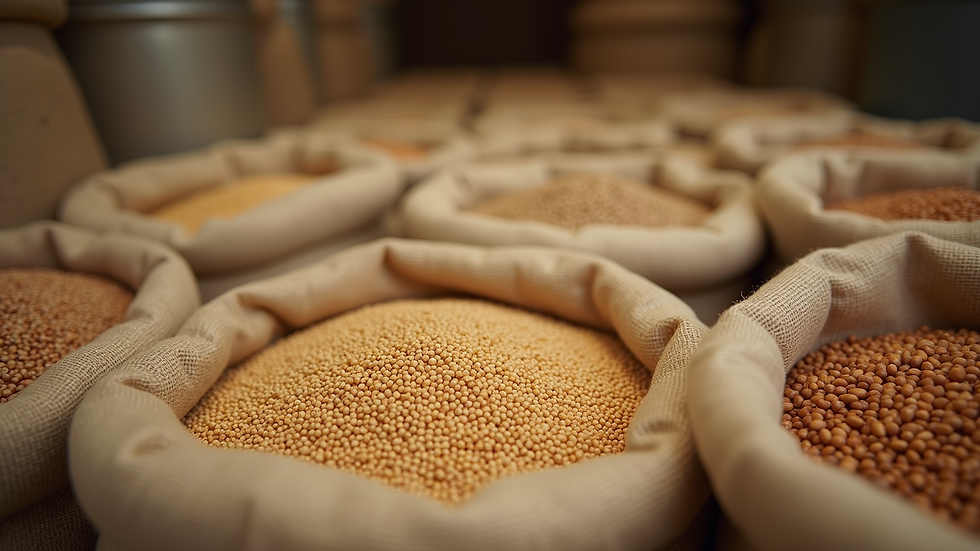
Heritage grains and meats carry the legacy of traditional farming and breeding practices. These varieties have been preserved over generations, often prized for their unique flavors, textures, and nutritional profiles. Unlike mass-produced commodities, heritage ingredients offer chefs a chance to create dishes that are truly distinctive.
For example, heritage wheat varieties can bring a nuttier, more complex flavor to breads and pastas. Heritage breeds of cattle or pigs often have marbling and fat profiles that enhance the taste and mouthfeel of meats. These ingredients are not just food; they are a connection to culture and history.
Incorporating Heritage Ingredients into Your Kitchen
Experiment with different grain flours for baking or as bases for creative dishes.
Use heritage meats in signature dishes to highlight their unique qualities.
Educate your staff and diners about the story behind these ingredients to deepen appreciation.
Collaborate with your supplier to source seasonal and rare items that fit your menu vision.
By embracing heritage ingredients, you elevate your culinary offerings and support biodiversity.
Expanding Reach: From the US to Mexico and Beyond
Mishpacha Farms is on a mission to become the premier direct-to-chef wholesale produce, grains, and meats producer and culinary agriculture partner, expanding across the US and into Mexico. This expansion is about more than geography; it’s about connecting chefs with culturally authentic produce, grains, and meats that reflect the rich agricultural heritage of these regions.
This cross-border approach opens up exciting possibilities for menus that celebrate diverse culinary traditions. It also supports farmers who are committed to regenerative practices, helping to build resilient food systems across borders.
What This Means for Your Restaurant
Access to a wider variety of identity-preserved ingredients.
Opportunities to incorporate authentic regional flavors and techniques.
Assurance that your supply chain supports sustainable farming communities.
Enhanced storytelling potential for your dishes, connecting diners to place and culture.
This vision aligns with the evolving expectations of top-tier restaurants seeking to innovate while honoring tradition.
Embracing a Future Beyond Organic
Organic certification has been a valuable step toward sustainable agriculture, but regenerative farming takes it further. It focuses on restoring ecosystems, improving soil health, and creating a positive environmental impact. This is the future of food sourcing for chefs who want to lead with integrity and innovation.
By choosing direct farm to chef produce, grains and meats from regenerative, zero-synthetic soil ecosystems, you are investing in a food system that nourishes the earth and your guests. It’s a commitment to quality, authenticity, and sustainability that resonates deeply in every bite.
I invite you to explore this transformative approach and discover how it can elevate your culinary creations while supporting a healthier planet.
If you want to learn more about sourcing heritage ingredients and regenerative produce, visit Mishpacha Farms to connect with a partner dedicated to excellence and sustainability.


Comments